Spring marks the turning point when commercial property managers across Central Ohio face a decision: address aging metal roofs now or risk escalating repair costs later. Between March and May, Columbus experiences temperature ranges that create the ideal conditions for applying protective roof coating systems to metal roofing structures. This narrow window offers moderate temperatures, controlled humidity, and stable weather patterns that allow coatings to cure properly and bond effectively to metal substrates. For facility managers overseeing warehouses, manufacturing plants, or agricultural buildings with metal roofs, understanding why Top Notch Commercial Roofing recommends spring application can mean the difference between a 20-year protective system and a failed coating that peels within months. The science behind coating application isn’t complicated, but timing matters more than most property managers realize.
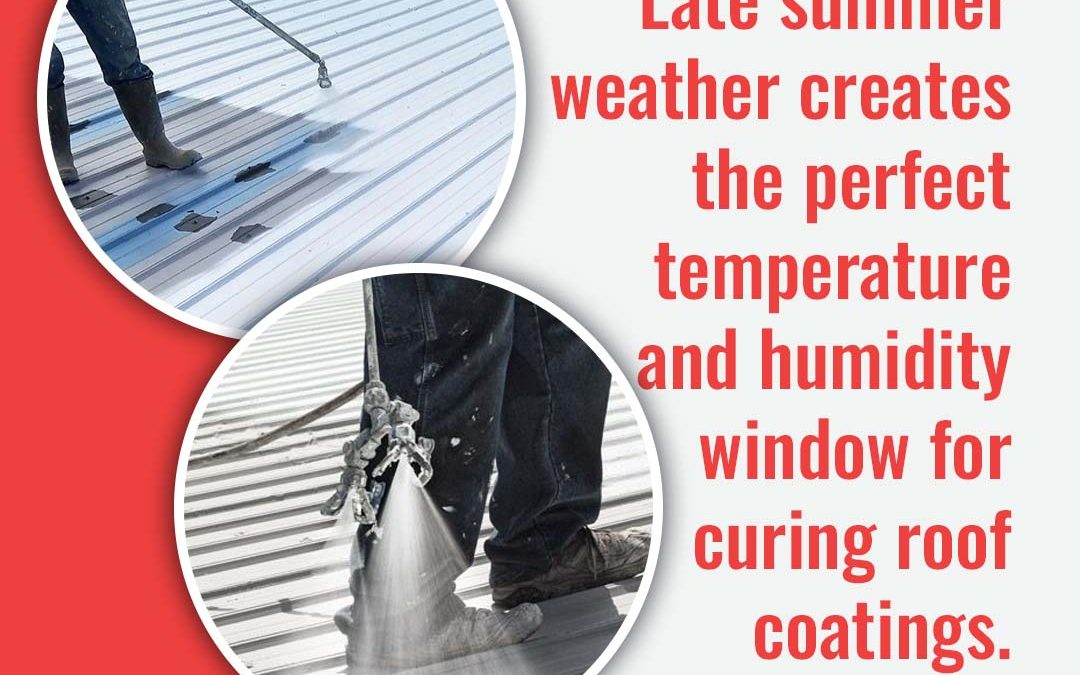
How Columbus Spring Weather Creates Perfect Conditions for Metal Roof Coating
Professional coating installations require ambient temperatures between 45°F and 85°F during both application and initial cure periods. According to the National Oceanic and Atmospheric Administration’s National Centers for Environmental Information, Columbus’s spring temperatures align perfectly with these requirements.
Why Surface Temperature Matters More Than Air Temperature
Metal roofs can be 15-20°F warmer than ambient air on sunny days, which directly affects how coatings flow and level. Spring’s moderate conditions prevent the extreme surface temperatures common in summer, when metal roofs in direct sunlight can reach 150°F or higher. At those temperatures, coatings cure too quickly, creating application defects:
- Bubbling and blistering
- Poor adhesion to metal substrates
- Uneven thickness and coverage gaps
Columbus Spring Climate Factors for Coating Application
| Climate Factor | March | April | May | Impact on Coating |
| Average High Temp | 52°F | 63°F | 73°F | Within ideal application range |
| Average Low Temp | 33°F | 43°F | 53°F | Allows proper overnight cure |
| Precipitation Days | 12 | 12 | 13 | Manageable with weather monitoring |
| Average Humidity | 70% | 65% | 67% | Acceptable for most coating types |
Source:NOAA National Centers for Environmental Information
Humidity and Weather Pattern Advantages
Applying a metal roof coating system in Columbus, OH, requires dry conditions for 24-48 hours after application. Spring offers two critical advantages:
- Humidity levels typically stay below the problematic 85% threshold that causes moisture formation on metal substrates
- Weather patterns feature more predictable rain events compared to summer’s sudden thunderstorms, allowing contractors to plan schedules around approaching systems
When relative humidity exceeds 85% or surface temperatures drop below the dew point, moisture can form on metal substrates and compromise coating adhesion—a problem far more common in late summer when overnight dew becomes frequent.
Preventing Rust and Corrosion: Why Timing Your Metal Roof Restoration Matters
Winter leaves its mark on metal roofing through freeze-thaw cycles, ice dam formation, and prolonged moisture exposure. By March, many commercial metal roofs in Columbus show surface rust, particularly around fastener penetrations, panel overlaps, and areas where protective coatings have worn thin. This rust doesn’t pause for convenience—it accelerates through spring and summer as temperatures rise.
Commercial metal roof coating in Columbus, OH, during spring interrupt this corrosion cycle before warm weather speeds up deterioration. Surface rust that appears minor in March can expand significantly by July, requiring more extensive preparation work and potentially compromising the roof deck beneath.
How the Restoration Process Stops Corrosion
The metal roof restoration approach addresses existing corrosion through:
- Power washing to remove loose rust and surface contaminants
- Wire brushing to treat spot corrosion areas
- Chemical treatment to neutralize oxidation
- Rust-inhibiting primers applied to bare metal before the topcoat system
Cost Comparison: Early vs. Delayed Metal Roof Intervention
| Intervention Timing | Surface Prep Required | Material Costs | Labor Hours | Total Project Cost (10,000 sq ft) |
| Early Spring (Minor Rust) | Light cleaning, spot treatment | $4,000 | 40 | $8,500 |
| Late Summer (Advanced Rust) | Extensive cleaning, panel repair | $6,500 | 65 | $14,200 |
| Delayed 2+ Years (Structural Issues) | Panel replacement, deck repair | $18,000+ | 120+ | $35,000+ |
Cost estimates based on industry averages for Central Ohio commercial roofing projects
Why Spring Timing Protects Your Investment
Modern metal roof restoration coating systems provide 15-25 year performance when applied correctly. This longevity depends on one critical factor: stopping corrosion before it penetrates the metal substrate.
The difference in timing creates dramatic performance outcomes:
- Spring-treated roofs with minor rust achieve a full 15-25 year lifespan
- Delayed restoration on advanced corrosion shows coating failure within 5-7 years, even using identical products
Spring’s moderate temperatures allow proper surface preparation without the complications of frozen substrates (winter) or heat-accelerated flash rust formation (summer). Workers can complete thorough cleaning and treatment without racing against temperature extremes.
Energy Savings That Start This Summer: The Reflectivity Factor
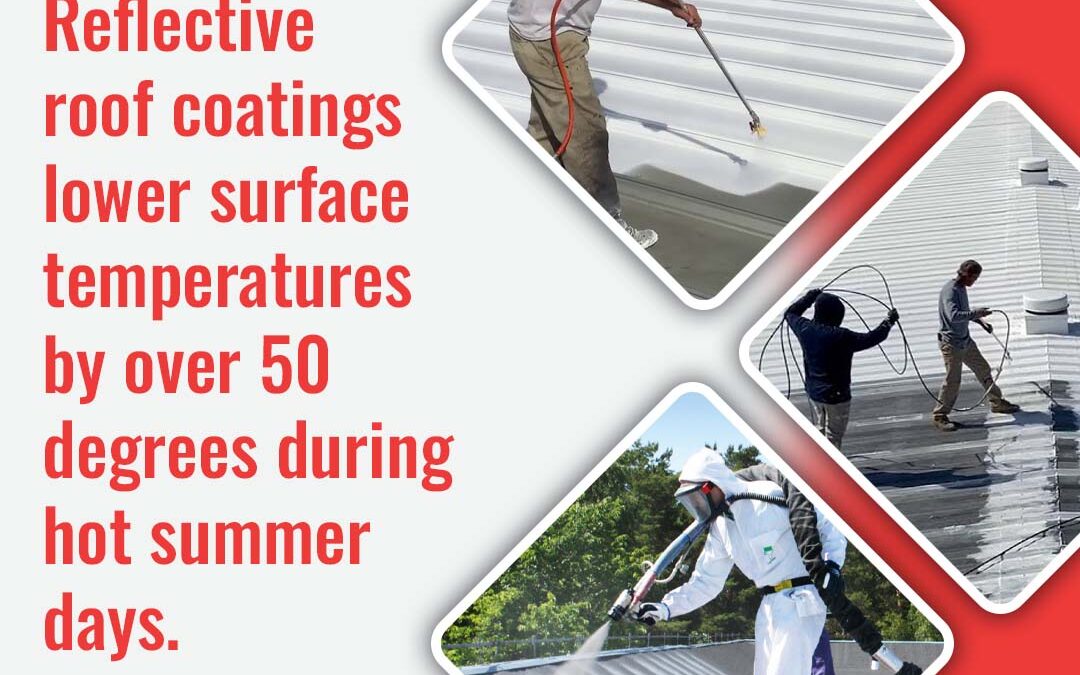
Cool roof technology transforms metal roofs from heat absorbers into heat reflectors through specialized coating formulations that reflect 85-90% of solar radiation. According to Lawrence Berkeley National Laboratory‘s Heat Island Group research, white elastomeric coatings can reduce roof surface temperatures by 50-60°F compared to uncoated metal, directly impacting building cooling loads.
For commercial buildings in Columbus preparing for summer heat, a spring coating application means the protective system is fully cured and performing at peak efficiency when June temperatures arrive. Facilities with coated metal roofs typically see cooling cost reductions of 15-25% in the first summer after application.
Energy Performance of Coated vs. Uncoated Metal Roofs
| Building Type | Uncoated Peak Temp | Coated Peak Temp | Cooling Cost Reduction | Annual Savings (15,000 sq ft) |
| Warehouse/Storage | 165°F | 110°F | 18-22% | $2,800-$3,400 |
| Manufacturing | 170°F | 115°F | 20-28% | $4,200-$5,800 |
| Agricultural | 160°F | 105°F | 15-20% | $1,600-$2,200 |
Performance data from the U.S. Department of Energy Building Technologies Office
Beyond Lower Utility Bills
The thermal performance creates compound benefits:
- Extended HVAC lifespan – Lower roof temperatures reduce strain on cooling systems, cutting maintenance requirements
- Improved interior comfort – Buildings without climate control or minimal cooling stay more comfortable for workers and inventory
- Stable conditions – Facilities with temperature-sensitive processes maintain consistency more easily and affordably
Investment Returns and Available Incentives
Most commercial applications in Central Ohio achieve payback within 3-5 years through combined energy savings and avoided replacement costs. A coating system costing $12,000 for a 15,000 square foot warehouse can save $3,000 annually in cooling costs alone.
Columbus-area utility companies occasionally offer rebates for cool roof installations as part of energy efficiency programs, reducing upfront costs by 10-15%. Property managers should verify current programs with their utility provider before scheduling coating projects.
What Property Managers Need to Know Before Hiring a Roof Coating Contractor
Selecting the right roof coating contractor determines whether a coating system delivers its promised 15-25 year lifespan or fails within a few seasons. Property managers should verify contractor certifications and manufacturer training before signing any agreement. Major coating manufacturers like GAF, Tremco, and Garland require contractors to complete product-specific training before warranty eligibility.
Critical Questions to Ask Every Contractor:
- Surface Preparation Methods – Proper preparation accounts for 70% of long-term coating performance. Contractors should describe specific cleaning methods, rust treatment protocols, and moisture testing procedures. Generic answers like “we clean it really well” indicate insufficient preparation standards.
- Weather Monitoring Protocols – Professional roof coating contractor teams monitor multiple weather parameters throughout projects. They should specify temperature ranges, humidity limits, precipitation forecasts, and wind speed restrictions that affect their work.
- Product Selection Rationale – Standing seam roofs, corrugated panels, and architectural metal systems each have preferred coating formulations. Contractors should explain their product selection based on your roof’s characteristics, not simply apply their standard system to every project.
- Warranty Coverage Details – Manufacturer warranties typically cover coating material performance, while contractor warranties cover application quality. Most warranties require periodic inspections and maintenance—clarify these requirements upfront to avoid coverage disputes later.
- Long-Term References – Recent projects show current work quality, but older installations demonstrate long-term performance. Speaking with property managers whose coatings have weathered several seasons provides valuable insights into contractor reliability and coating durability.
- Project Timeline Expectations:
- Simple warehouse (10,000 sq ft): 3-5 days from surface preparation through final inspection
- Complex facilities with multiple roof levels or extensive rust treatment: 2-3 weeks
- Contractors should provide detailed schedules outlining each phase before work begins
Types of Commercial Buildings That Benefit from Spring Metal Roof Coating
Spring coating windows serve distinct commercial property types across Central Ohio, each with specific requirements and challenges:
- Manufacturing Facilities Standing seam metal roofs throughout Cambridge, Athens, and Zanesville need protection that doesn’t halt production. Spring applications allow coating work to proceed while operations continue below, provided contractors coordinate access points and maintain safety protocols.
- Agricultural Operations Barns, equipment storage, and processing facilities with corrugated metal roofs experience rapid temperature swings that affect coating cure times. Spring’s moderate conditions let agricultural operators protect these structures before summer heat creates application complications.
- Historic Commercial Buildings Older downtown Columbus structures often feature architectural metal roofing with a service life of 20-30 years of service life. These property owners face a clear choice:
- Full replacement: $200,000-$500,000 investment with major tenant disruption
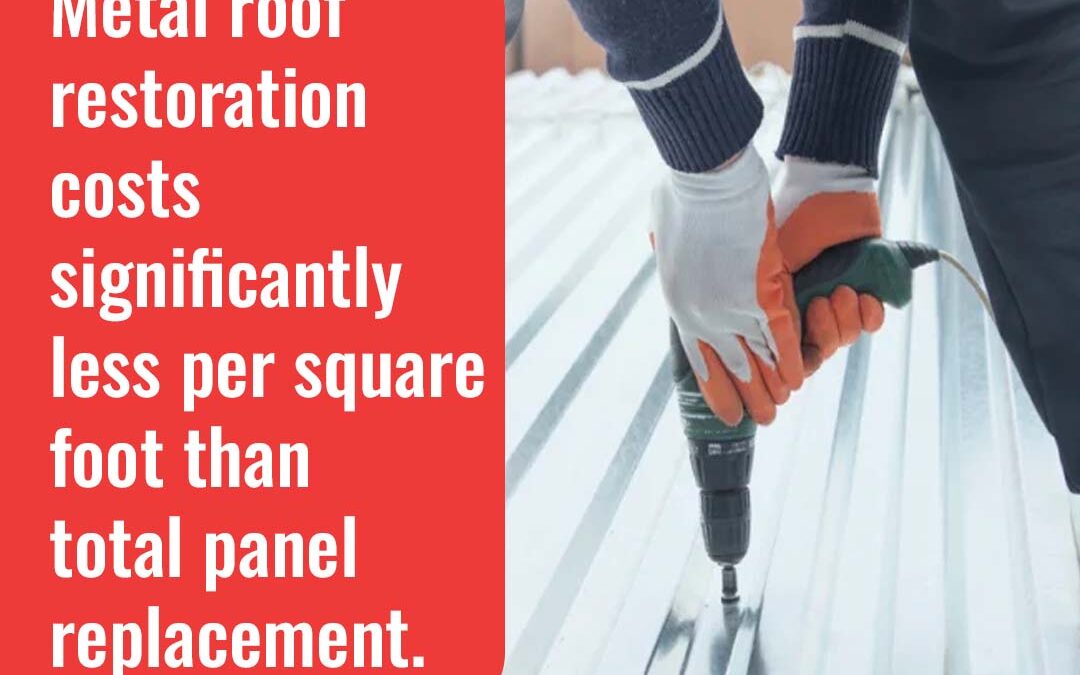
- Restoration coating: 15-20 year extension at 30-40% of replacement cost
- Industrial Complexes Facilities managing multiple buildings benefit from spring’s optimal weather window. Maintenance teams can address several structures efficiently, ensuring consistent protection across the entire property before summer patterns arrive.
Top Notch Commercial Roofing works with property managers who understand that metal roof protection requires action during the narrow window when weather and coating chemistry align. Buildings receiving spring applications consistently outperform those coated during temperature extremes, regardless of the product used.
Surface Preparation and Application: What Happens During Your Project
Professional commercial metal roof coating in Columbus, OH, follows a systematic process that transforms aged, corroding metal into a protected, energy-efficient system. Understanding each phase helps property managers know what to expect during their restoration project.
Initial Inspection and Repairs
The work begins with a comprehensive roof assessment to identify issues requiring attention before coating:
- Loose fasteners need tightening
- Damaged panels require replacement
- Failed sealants must be removed and replaced
- Documentation captures current conditions for project planning
Surface Preparation
Power washing removes contaminants that compromise adhesion—dirt, algae, chalking, and loose coatings. Commercial metal roofs typically require 2,500-3,500 PSI pressure washing, adjusted based on panel gauge and condition.
Rust treatment follows cleaning through:
- Wire brushing surface oxidation
- Chemical treatment with phosphoric acid-based converters
- Panel replacement for through-metal rust penetration
- Moisture testing before coating proceeds
Metal Roof Coating Application Process
| Phase | Duration (10,000 sq ft) | Key Activities |
| Inspection & Assessment | 2-4 hours | Roof documentation, repair identification |
| Surface Preparation | 1-2 days | Cleaning, rust treatment, repairs |
| Primer Application | 0.5-1 day | Rust-inhibiting primer to bare metal |
| Base Coat | 1 day | First coating layer at specified thickness |
| Top Coat | 1 day | Final coating layer for UV protection |
The Three-Layer System
Primer application addresses bare metal and rust-treated areas with corrosion inhibitors that provide the first line of defense. Contractors apply primers at manufacturer-specified mil thicknesses for proper protection and adhesion.
The base coat establishes the waterproof membrane protecting the metal substrate. Contractors use airless spray equipment calibrated to deliver 10-15 mils dry thickness, verified with wet mil gauges during application and dry film gauges after curing.
Top coating provides UV resistance, reflectivity, and the final weather barrier. White or light-colored formulations maximize solar reflectance and thermal performance, curing in 24-48 hours under spring conditions to create protection lasting 15-25 years.
Safety and Quality Standards
Professional metal roof coating system projects in Columbus, OH, maintain strict protocols:
- Fall protection systems for worker safety
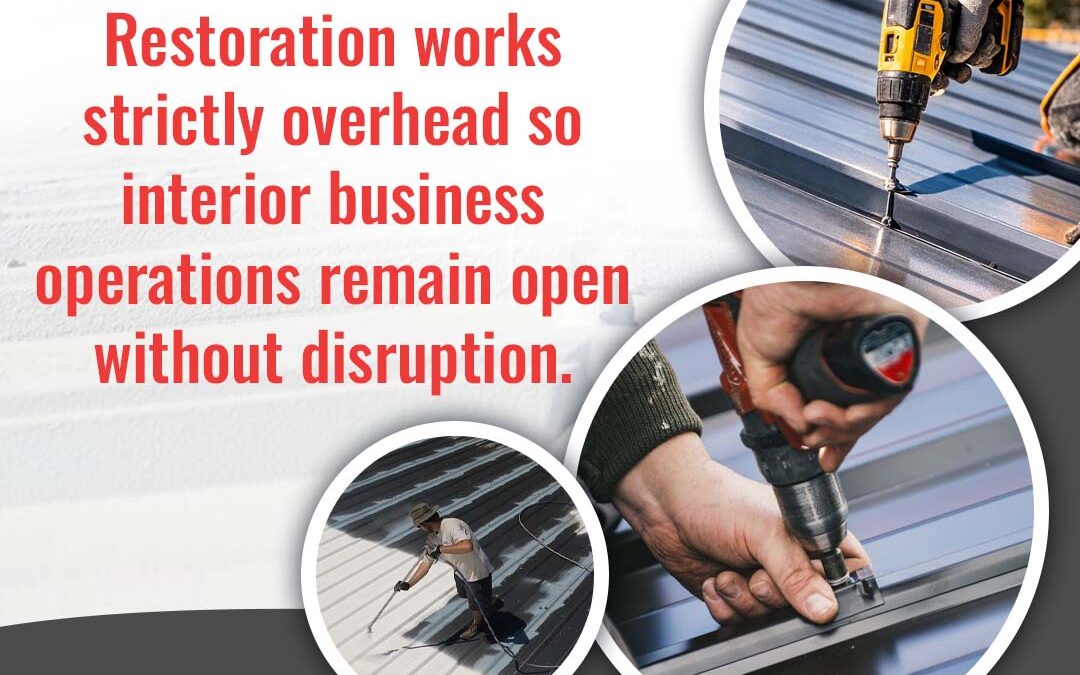
- Proper ventilation in occupied buildings
- Restricted access zones during application
- Current safety certifications and insurance coverage
Get Your Free Metal Roof Coating Assessment
Your commercial metal roof faces another Central Ohio summer. The protection you apply this spring determines how well it performs for the next 15-20 years.
Top Notch Commercial Roofing specializes in commercial metal roof coating systems in Columbus, OH, that deliver:
- Corrosion protection that stops rust progression
- Energy savings of 15-25% on cooling costs
- Extended roof life at 30-40% of replacement expense
- Dedicated service that continues beyond installation
We serve property managers and facility supervisors throughout Columbus, Cambridge, Zanesville, Athens, and surrounding Central Ohio communities. With over five years of focused experience in commercial roof restoration, we treat roof protection as an ongoing partnership, not a one-time transaction.
Ready to take advantage of spring’s ideal application window?
Call us at (740) 409-1171 or request your free evaluation online. We’ll assess your roof’s current condition, explain your coating options, and provide a detailed proposal that fits your budget and timeline.
Don’t let another season pass while corrosion advances and energy costs climb. Protect your investment for the next two decades.